Daily Structure Guide

Build a Day Framework That Supports Creative Work

This page shares general informational content about structuring freelance days. The examples below are educational starting points you can adjust for your own projects, clients, and working preferences. Nothing here is personalised professional advice.

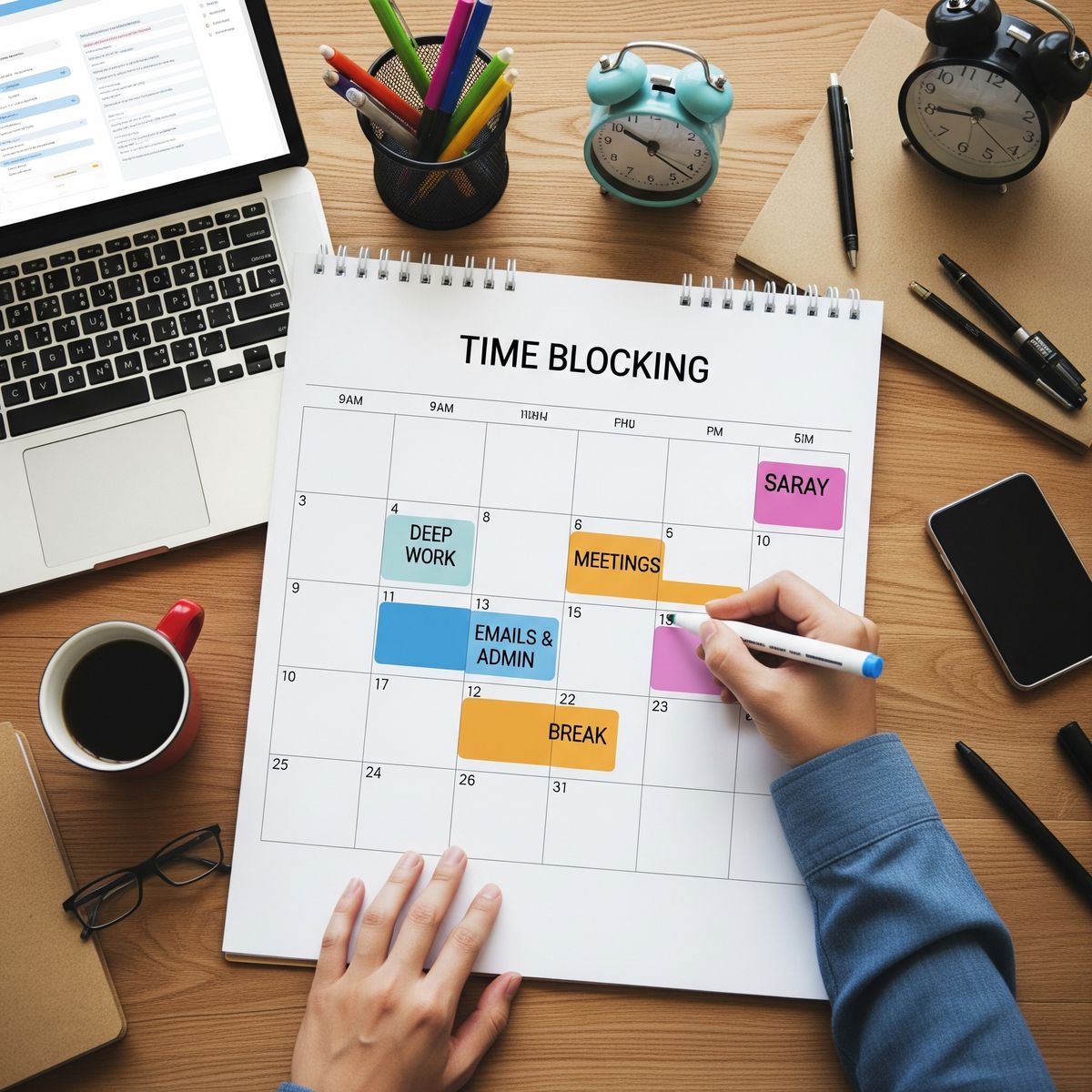
Visual schedule showing morning time blocks for structured freelance work

Opening Your Day With Purpose

The first hour sets the tone for independent work. A deliberate opening routine reduces reactive behaviour and creates space for priority tasks.

  • Single Inbox Review

    Check messages once rather than continuously. Note action items without responding to everything immediately.

  • Priority Selection

    Choose up to three tasks that would make the day feel productive. Write them where they remain visible throughout the session.

  • Environment Setup

    Prepare your workspace, close unrelated tabs, and gather materials before beginning focused work.

Designing Effective Time Blocks

Time blocks group similar activities and protect periods for work that requires uninterrupted attention.

Client Communication

Batch emails, brief discussions, and status updates into defined windows rather than scattering them across the day.

Administrative Tasks

Invoicing, file organisation, and contract review fit well in shorter afternoon segments when creative energy typically dips.

Structure is not about filling every minute. It is about knowing what each segment is for, so transitions feel intentional rather than accidental.

— Planning principle from Vitabeauty educational materials

Managing the Second Half of Your Day

Energy often shifts after lunch. Adjusting expectations for the afternoon prevents frustration and supports sustainable pacing.

Lighter Creative Tasks

Editing, formatting, and iterative refinements suit lower-energy periods. Save concept development for peak hours when possible.

Scheduled Breaks

Step away from screens at regular intervals. Brief walks or stretching support sustained focus during subsequent blocks.

Evening Transitions for Freelancers

Step 1

Capture Open Loops

Write down unfinished tasks and tomorrow's starting point so your mind can disengage from work mode.

Step 2

Review the Day Briefly

Note what progressed and what shifted. This reflection can help you adjust future plans without judging the day harshly.

Step 3

Set a Hard Stop

Define when work ends and honour that boundary. Freelancers often benefit from a visible end-of-day signal such as closing the office door or shutting the laptop.

The daily structure methods on this page are general informational content. They are not personalised professional advice. Experiences differ based on individual circumstances, client demands, and workload constraints.

Connecting Daily Structure to Weekly Planning

Individual days gain coherence when linked to a weekly overview. Dedicate time each week to map client deadlines, personal projects, and rest days.

Weekly review session

Planned rest days

Project milestones mapped

Flexible buffer blocks

Continue With Productivity Rhythms

Explore how focus intervals and energy mapping complement your daily structure on our productivity page.

Productivity Methods